
Get Gas Line Rerouting in Seattle, WA
Gas line rerouting services help property owners in Seattle and nearby areas safely move or adjust gas lines during renovations, repairs, or new construction projects.
Property owners in Seattle, WA, exploring gas line rerouting often do so to accommodate home renovations, expansions, or new installations. Moving or adjusting existing gas lines can help ensure safety, optimize space, and meet the evolving needs of a property. With a variety of local contractors experienced in gas line work, residents can find practical solutions tailored to their specific project requirements, making it easier to plan and compare options within the area.
Whether updating a kitchen, adding new appliances, or modifying existing infrastructure, understanding the available services can support informed decision-making. Connecting with qualified service providers in Seattle ensures that projects are handled with attention to detail and adherence to local standards. Keep reading to learn more about how local professionals can assist with gas line rerouting and help bring your project plans to life.
- Gas Line Rerouting - needed when expanding or remodeling a home in neighborhoods like Capitol Hill or Queen Anne.
- Gas Line Rerouting - required to relocate piping around existing structures or underground obstacles in areas such as Ballard or West Seattle.
- Gas Line Rerouting - necessary when repairing damaged or corroded gas lines in older parts of the city like Beacon Hill.
- Gas Line Rerouting - essential during property renovations that involve moving kitchens or appliances in neighborhoods like Fremont or Magnolia.
- Gas Line Rerouting - advised when upgrading gas systems to meet new safety standards or code requirements in the Greater Seattle area.
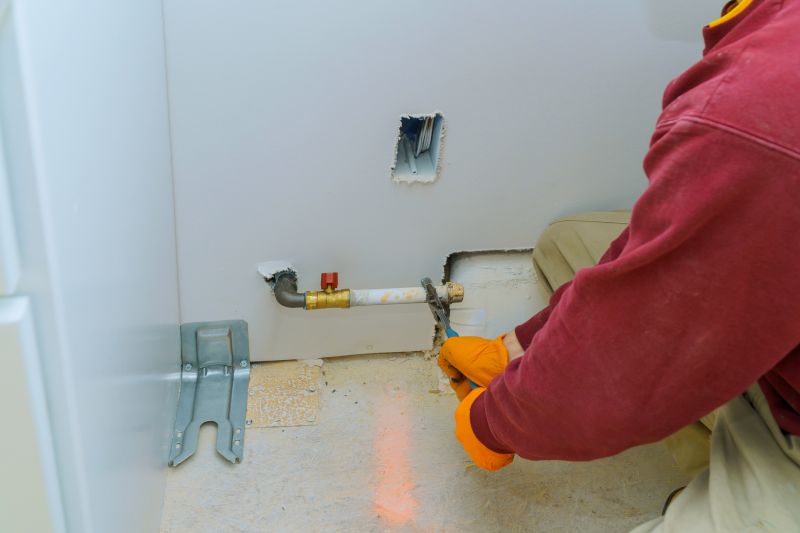
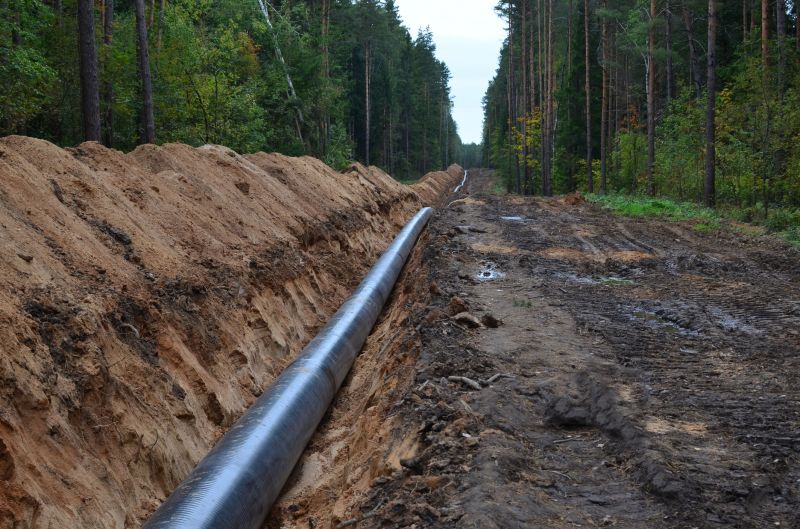
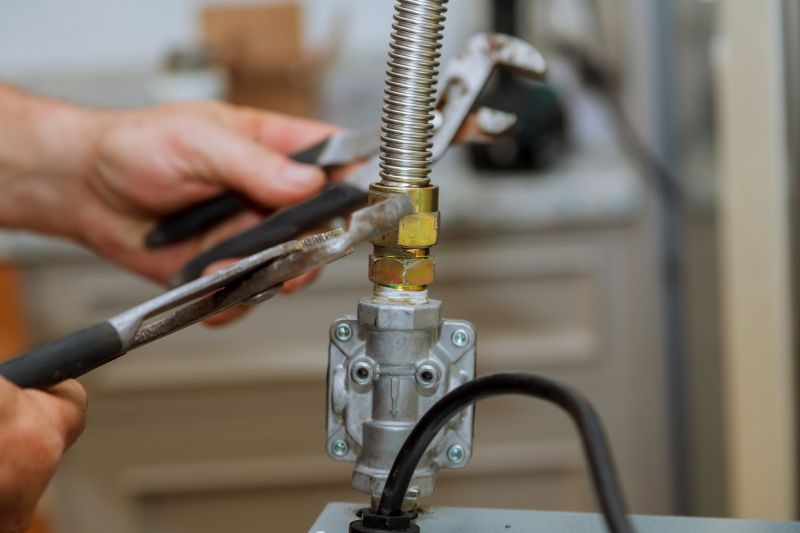
Gas line rerouting services involve the process of relocating existing natural gas lines to accommodate property renovations, expansions, or new construction projects. This work typically includes carefully disconnecting the current gas lines, planning a new route that maintains safety and efficiency, and installing new piping that meets local codes and standards. Skilled service providers ensure that the rerouting is done securely, minimizing the risk of leaks or other issues that could impact the safety and functionality of the gas supply. Proper rerouting can be essential when making significant changes to a property’s layout or when upgrading appliances that require different gas line configurations.
This service helps address a variety of problems that can arise during home improvements or repairs. For example, if a homeowner is adding a new kitchen extension or converting a garage into a living space, the existing gas lines may no longer be in the optimal position. Gas line rerouting can resolve issues related to limited access, outdated piping, or unsafe configurations that no longer meet the needs of the household. Additionally, rerouting can prevent potential hazards caused by old or damaged lines, reducing the risk of leaks or gas-related emergencies. Service providers work to ensure the gas system remains safe, reliable, and compliant with local regulations throughout the process.
Properties that typically require gas line rerouting include older homes undergoing remodeling, new construction projects, or properties with existing gas lines that no longer serve their intended purposes effectively. Residential properties with large or multi-story layouts often need rerouting to better serve multiple appliances or outdoor features like fire pits and barbecues. Commercial properties, such as restaurants or industrial facilities, may also need rerouting to accommodate new equipment or safety upgrades. In all cases, experienced local contractors can evaluate the property’s specific needs and develop a plan that ensures the gas lines are positioned safely and efficiently for current and future use.
Homeowners considering gas line rerouting should do so when planning major renovations, installing new appliances, or addressing issues with outdated piping. If there are signs of leaks, corrosion, or irregular gas pressure, rerouting might be necessary to resolve these problems. This service can also be useful when expanding a property or reconfiguring spaces to improve functionality. Connecting with experienced service providers helps ensure that the rerouting work is handled correctly, reducing potential risks and supporting the safe operation of gas-powered systems. Contacting local contractors can provide the expertise needed to determine if rerouting is the right solution for specific property needs.
The overview below groups typical Gas Line Rerouting projects into broad ranges so you can see how smaller, mid-sized, and larger jobs often compare in Seattle, WA.
In many markets, a large share of routine jobs stays in the lower and middle ranges, while only a smaller percentage of projects moves into the highest bands when the work is more complex or site conditions are harder than average.
Smaller Repairs - Typical costs for minor gas line rerouting jobs usually range from $250 to $600. Many routine adjustments fall within this band, especially for straightforward reroutes or repairs in accessible areas. Larger or more complex repairs can exceed this range, but they are less common.
Moderate Projects - Mid-sized rerouting projects often cost between $600 and $1,500. These jobs may involve rerouting gas lines through walls or ceilings and are common for home renovations. Costs tend to stay within this range for most standard projects.
Full Replacement - Replacing an entire gas line system or rerouting lines across multiple areas can cost from $1,500 to $3,500. Larger, more involved projects are less frequent but necessary for extensive upgrades or repairs in older properties.
Complex or Custom Jobs - Highly complex rerouting, such as working around existing structures or in difficult-to-access areas, can reach $5,000 or more. These projects are less typical but are handled by local pros for specialized needs.
Actual totals will depend on details like access to the work area, the scope of the project, and the materials selected, so use these as general starting points rather than exact figures.
Underground Utility Line Installation - local contractors skilled in installing various underground utility lines can apply similar planning and excavation techniques used in gas line rerouting projects.
Foundation Excavation and Reinforcement - professionals experienced in excavation and foundation work utilize similar tools and site assessments as those used in rerouting gas lines beneath structures.
Water and Sewer Line Replacement - local service providers replacing or rerouting water and sewer lines employ similar trenching, piping, and safety procedures as in gas line rerouting.
Electrical Conduit Installation - electricians and trenching specialists installing underground electrical conduits share planning, excavation, and safety practices with gas line rerouting projects.
Landscape Drainage System Installation - experts designing and installing drainage systems often use excavation and piping skills comparable to those needed for rerouting underground gas lines.
Pipeline Inspection and Repair - technicians conducting underground pipeline inspections and repairs utilize similar diagnostic tools and underground access techniques as in gas line rerouting.
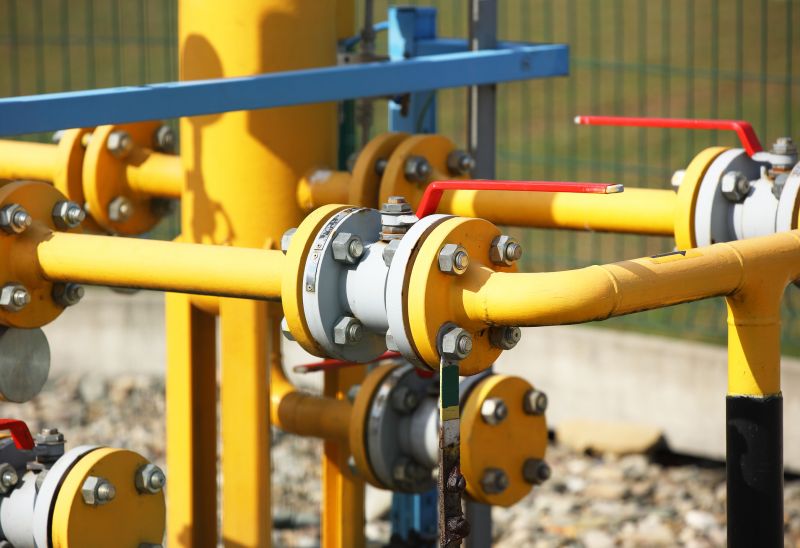
When evaluating service providers for gas line rerouting, it’s important to consider their experience with similar projects. Homeowners should look for local contractors who have a proven track record of handling gas line modifications in residences comparable to their own. Asking about past work can help gauge whether a professional has the necessary expertise to manage the complexities and safety considerations involved in rerouting gas lines effectively. An experienced contractor can often anticipate potential challenges and provide solutions tailored to the specific layout and requirements of the property.
Clear, written expectations are essential to ensure that both parties understand the scope of work, materials, and any other relevant details. Homeowners should seek service providers who can provide detailed written estimates or project outlines, which help prevent misunderstandings and set realistic expectations from the start. Having a transparent plan also makes it easier to compare different options and ensures that everyone is aligned on the work to be done, fostering a smoother project process.
Reputable references and effective communication are key indicators of a reliable contractor. Homeowners can ask for references from previous clients or look for reviews that highlight the contractor’s professionalism and responsiveness. Good communication from the start-such as prompt responses to questions and clear explanations of processes-can make the entire experience more manageable. While the site introduces homeowners to local options, it is important to remember that it does not perform the work itself; selecting a service provider who communicates well and has positive references can help ensure the project proceeds smoothly and meets expectations.
Property owners in Seattle, WA use Gas Line Rerouting services for practical projects around their homes and businesses. This guide focuses on everyday jobs and straightforward project options.
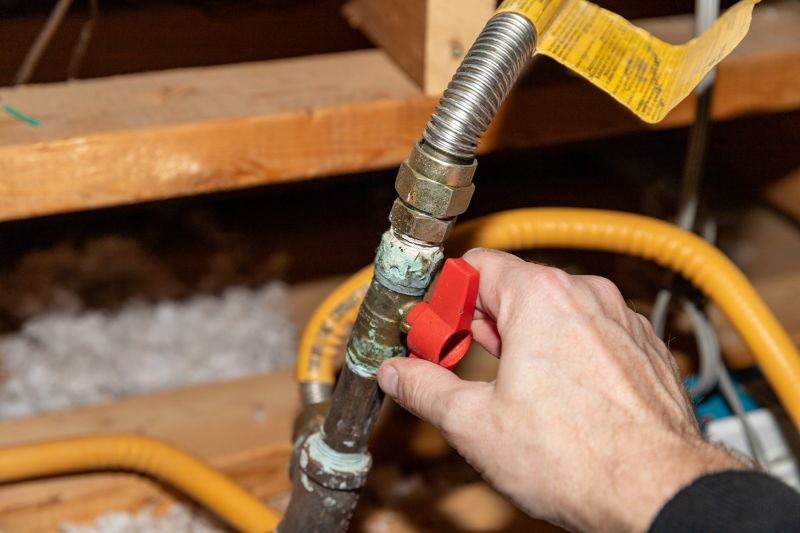
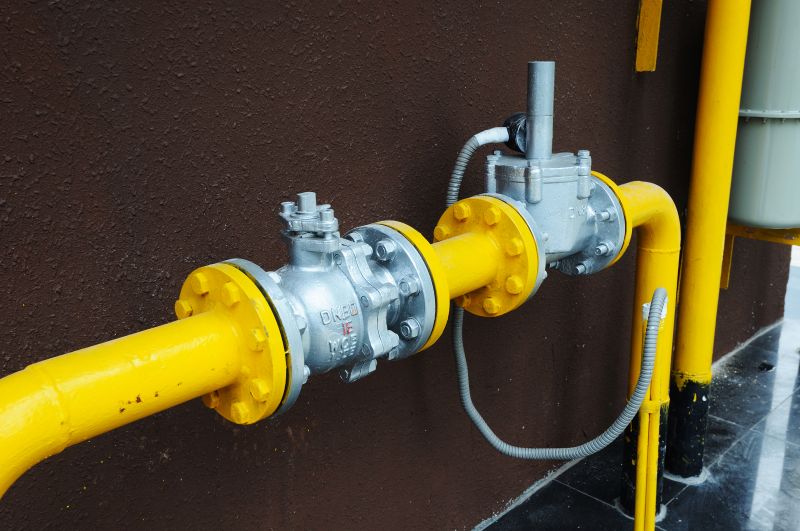
Gas line rerouting services are often needed during home renovations or additions in Seattle, WA, where property owners may want to move a gas line to accommodate new appliances, expanded kitchens, or updated layouts. Additionally, homeowners might seek rerouting when upgrading their heating systems or installing outdoor gas features like fireplaces or grills, requiring adjustments to existing gas lines to ensure safety and proper function. Local contractors can handle these projects efficiently, ensuring that gas lines are moved safely and in compliance with local codes, helping property owners avoid disruptions or hazards.
In some cases, property owners may need gas line rerouting due to repairs or to address issues like leaks or corrosion in existing lines. Older homes in Seattle, which may have outdated gas infrastructure, often benefit from rerouting to improve safety and reliability. Whether for routine upgrades or emergency repairs, local service providers are equipped to evaluate the situation, plan the rerouting, and execute the work with minimal impact on the property, making it easier for owners to maintain a safe and functional gas system.
What is gas line rerouting? Gas line rerouting involves relocating existing gas pipes to a new position within a property, often to accommodate renovations or expansions.
Why might someone need gas line rerouting services? Property owners may require rerouting to improve safety, meet building codes, or facilitate new appliances and layouts.
Are licensed professionals needed for gas line rerouting? While licensing is not specified here, experienced local contractors are recommended to ensure proper handling and installation of gas lines.
What types of properties can benefit from gas line rerouting? Residential homes, commercial buildings, and remodeling projects in Seattle and nearby areas can all benefit from these services.
How do local service providers ensure the quality of gas line rerouting? Reputable contractors follow industry standards and use appropriate materials to ensure safe and reliable gas line installation and rerouting.
Gas Line Rerouting for Kitchen Remodels - When updating a kitchen, property owners can have local contractors reroute gas lines to accommodate new appliances or layouts.
Adding Outdoor Gas Lines for Grilling Areas - Property owners planning to install outdoor kitchens or fire pits can utilize gas line rerouting services to extend supply lines safely.
Relocating Gas Lines for Basement Finishing - During basement renovations, rerouting gas lines can help create more flexible space for new fixtures or appliances.
Adjusting Gas Lines for Landscaping Projects - Homeowners planning landscape changes, such as installing new patios or outdoor features, can have gas lines rerouted to support outdoor amenities.
If you are thinking about Gas Line Rerouting for a property in Seattle, WA, this guide is meant to help you understand the work, the typical project types, and how different options might fit your plans.
When you are ready, you can use the quote form on this page to share a few details about your project. From there, local pros can review the basics and respond with options that match what you have in mind.